


A Movement for Revival and Restoration
Rebuilding the family for a successful future

Renewal
A MOVEMENT FOR REVIVAL AND RESTORATION
Rebuilding the family for a successful future
Kendall Qualls
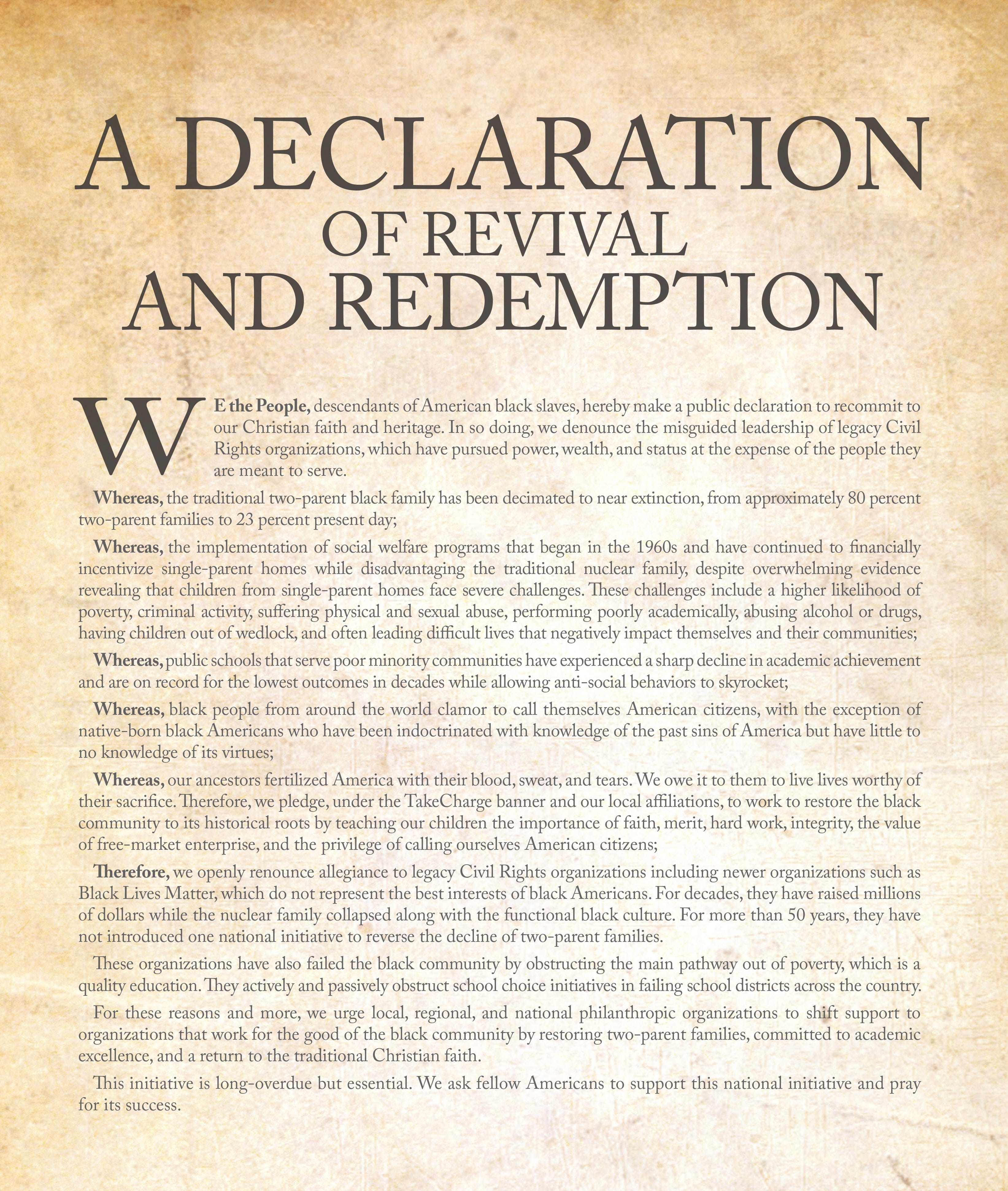
On February 7, I published an article on this platform, “A Declaration for Revival and Restoration,” encouraging black Americans to join our organization, TakeCharge. This initiative seeks to transcend political affiliations and invite black Americans to a back-to-basics movement—one that honors our ancestors, rebuilds a functional black culture, and restores hope and pride for future generations.
The timing is relevant because next month, March 2025, marks the 60th anniversary of Senator Daniel Patrick Moynihan’s Report: The Negro Family: The Case for National Action, commonly known as the Moynihan Report.
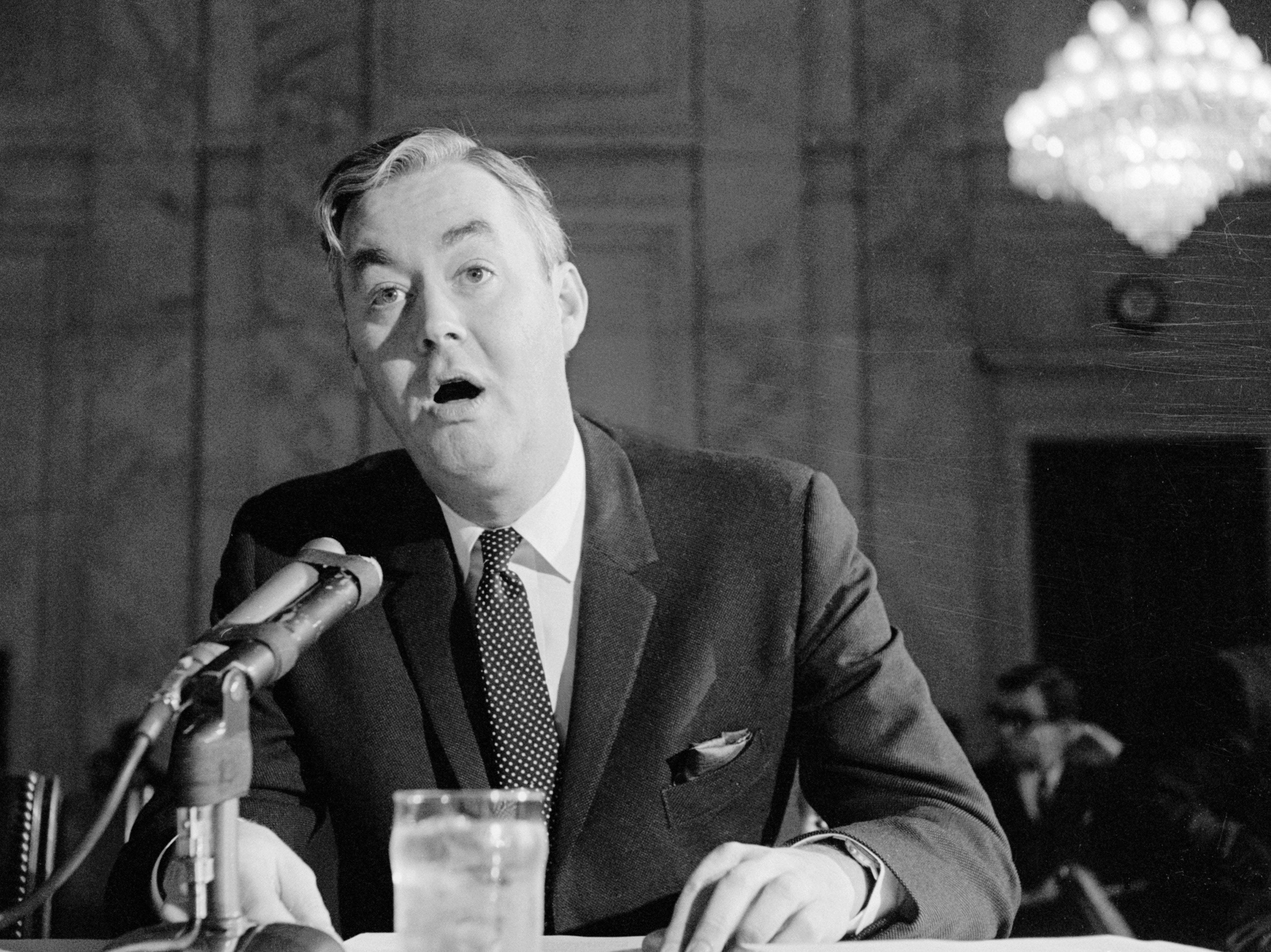
In this groundbreaking analysis, Daniel Patrick Moynihan warned that high nonmarital birth rates among black Americans—24% in 1965—were contributing to a matriarchal society that weakened the role of black men. He cautioned that social welfare programs would further erode family structures, leading to diminished male authority, an abdication of responsibilities as husbands and fathers, and a cycle of generational dysfunction.
At the time, Moynihan was widely dismissed as a racist intellectual, and his report was ignored by many black leaders and the broader society.
Unfortunately, his predictions not only materialized—they have far exceeded what anyone could have imagined. Today, instead of 24% of black children being raised in single-parent households, the inverse is true: only about 24% of black families have two parents in the home. This stark reversal has left black culture struggling—functionally, morally, and financially.
A study from the University of Michigan further highlights the crisis: 59% of African American mothers have children with different fathers, the highest rate among all ethnic groups. The researcher behind the study noted that “raising children who have different fathers is a major factor in the intergenerational transmission of disadvantage.”
A Culture in Crisis
The breakdown of the family has fueled devastating consequences across Black America, with ripple effects into surrounding communities.
Homicide: (a) In Minnesota, where I live, black Americans make up just 8.3% of the population, but they account for 66% of criminal homicides. Similar disparities exist across the country. (b) Moreover, homicide is the leading cause of death for black males ages 0–20, the highest rate among any ethnic group in the U.S.
Abortion: black women account for 38.4% of all abortions, the highest percentage of any ethnic group and vastly disproportion to their share of population, given that black women of child-bearing age represent roughly 4.5% of all Americans.
Health Disparities: The Black community leads the nation in preventable health conditions, including obesity, cardiovascular disease, and sexually transmitted infections.
Despite six decades of decline, the institutions and leaders responsible for advancing black Americans’ well-being—such as the Congressional Black Caucus, the NAACP, and the National Urban League—have failed to address the root cause of all the issues enumerated above, which is the collapse of the two-parent family. From its founding, even Black Lives Matter explicitly sought to “disrupt the nuclear family.”
Unfortunately, a large percentage of black pastors have had one foot in the pulpit and one foot “dancing with the Democrat Party,” which has enthusiastically promoted the agendas of Black Lives Matter, the NAACP, the National Urban League, and other failed or harmful organizations. Only pastors that have remained true to the Christian faith and taught biblical instruction have credibility locally and regionally with our TakeCharge initiative.
The past 60 years have shown us the cost of inaction. The future depends on our commitment to reversing this decline and restoring the foundation of strong families and a functional culture that positively contributes to American society. For these reasons, we urge readers to review the declaration document and add their names to insist on a cultural transformation.
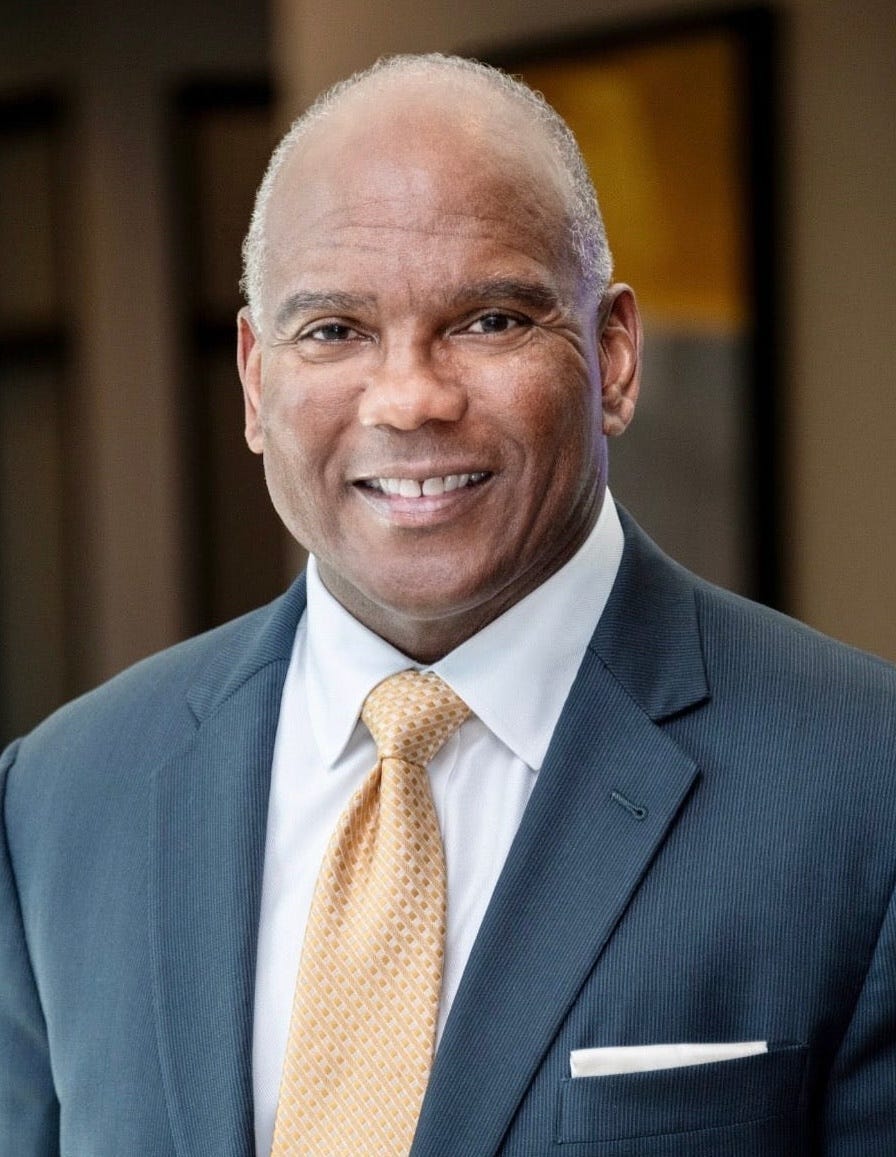
Kendall Qualls is a Faculty-in-Residence at Crown College, School of Business and Founder/President of the non-profit foundation, TakeCharge. Mr. Qualls is also a former Republican candidate for governor of Minnesota.
Mr. Qualls was raised in a broken home in poverty. He worked full-time to pay for college, and served as an officer in the U.S. Army. He earned his MBA from the University of Michigan and worked as a Global Vice President of Sales and Marketing at an $850MM business unit.
Mr. Qualls recently authored a book, The Prodigal Project: Hope for American Families. He is also on the President’s Advisory Board of the Heritage Foundation and the Advisory Board for the National Medal of Honor Center of Leadership. His message has reached millions of people as a speaker and through his articles published in the New York Post, Washington Examiner, The Washington Times, The Federalist, Real Clear Politics, The Christian Post, and the Minneapolis Star Tribune. His previous article in the Journal of FBT was “The Scandal Hidden in Plain Sight.” He has appeared on the FBT Podcast with host Connie Morgan in an episode titled “Bucking the Narrative.”
Mr. Qualls has been married for 38 years and he has five children.
I am certainly praying for your success in this initiative, Brother. 🙏
This was a phenomenal article by the great Kendall Qualls of the amazing organization Take Charge Minnesota. On the 60th anniversary of Senator Daniel Patrick Moynihan's monumental The Negro Family: The Case for National Action report, it is time for us to recommit ourselves a nation to helping rebuild the black family and reverse the negative trends that currently plague the black community. Senator Moynihan was demonized as a racist at the time for this essential report. However, what the public didn't know at the time was that Senator Moynihan was very passionate about this issue and wrote this report because his father left the family when he was just a boy. His purpose was not to defame the black community but to warn the black community and the Johnson administration. But he was dismissed a hateful bigot and ignored. But just a decade later he was proven to have been right. The 1970s saw the collapse of the black family in this nation. The welfare programs of the Great Society led to black men abdicating their responsibility as husbands and fathers, women being incentivized to marry the government and led a generation of young black men falling into a life of crime without a male role model to teach them how to act like a man and guide them through life. This in turn lead to these young men make poor decisions in their personal life and sexual activity thus perpetuating the same toxic cycle for decades upon decades. None of the major "civil rights" organizations like BLM, the NAACP, the National Urban League, Bryan Stevenson's Civil Rights Initiative, etc. have no plan to address this crisis in black America. That won't even acknowledge it's a problem. The NAACP, the SCLC, the National Urban League, etc. are once prestigious organizations that don't really fight for black Americans, they have become left-wing advocacy groups and shills for the Democratic Party. The Black Church must undergo a massive reformation. God's word is apolitical and nonpartisan! It its totally improper to insert Democratic politics into the good word! I'm all for this initiative! I wish Free Black Thought much luck with it! Here are some ideas I had to combat these problems within black America. 1) Teaching comprehensive sexual education and fertility education to black children from a young age. 2) Education and jobs programs. 3) A higher minimum wage. 4) The implementation of universal healthcare. 4) Private initiatives to assist black families and classes for black boys and men on fatherhood and raising children. 5) Building more affordable housing. 6) Investing in the inner cities. 7) Comprehensive reform of the public education system and implementing school choice. 8) Criminal justice and police reform. 9) Black churches doing outreach programs to troubled black youth. 10) College scholarships for talented black children.